10 Essential SEO Tips for Small Michigan Businesses in 2026
Tips for Small Michigan Businesses in 2026
In the ever-evolving digital landscape of 2026, search engine optimization (SEO) remains a cornerstone for small businesses looking to attract more customers without breaking the bank. With AI-driven search engines like Google prioritizing authenticity, user experience, and local relevance, small businesses can level the playing field against larger competitors. Whether you're a local shop, restaurant, or service provider, implementing these SEO strategies can boost your online visibility, drive foot traffic, and increase sales. This guide draws from the latest trends to help you navigate SEO effectively. For personalized business advice and tools to implement these tips, check out www.wiseisbest.com.
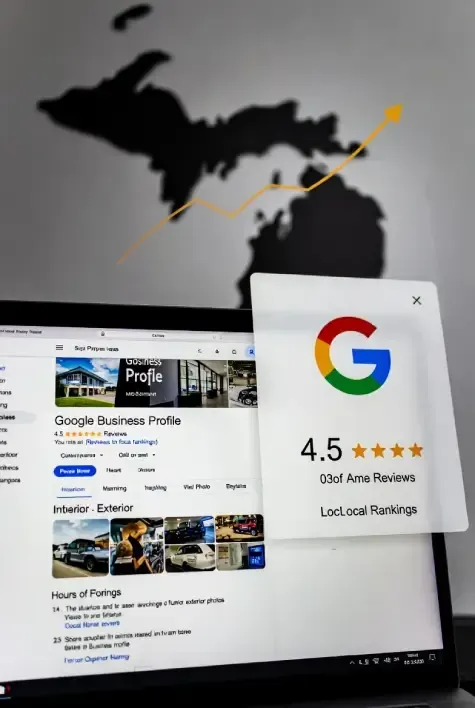
1. Optimize Your Google Business Profile (GBP)
Your GBP is often the first touchpoint for potential customers searching locally. Keep it updated with accurate name, address, phone number (NAP), hours, services, and high-quality photos of your actual business location, team, and products—avoid stock images to build trust. Regularly post updates about events or offers to engage users and improve visibility in Google Maps and local search packs.
Why it matters: In 2026, GBP remains a top resource for local info, directly influencing rankings for queries like "coffee shop near me." For small businesses, this free tool can drive calls and visits with minimal effort.
How to implement: Claim or verify your profile via Google's verification methods (phone, email, or mail), and ensure NAP consistency across all online platforms to avoid penalties.

2. Embrace E-E-A-T Principles
Google's emphasis on Experience, Expertise, Authoritativeness, and Trustworthiness (E-E-A-T) rewards genuine content over generic or AI-generated material. Showcase your real-world experience through case studies, staff bios, testimonials, and user-generated content like customer photos or videos.
Why it matters: Post-2025 updates favor authentic businesses, helping small ones outrank faceless corporations by building credibility and trust. This is crucial for local SEO where trust signals like reviews and mentions directly impact rankings.
How to implement: Link to LinkedIn profiles for expertise, encourage reviews, and create content that shares personal insights or stories from your business operations.
3. Conduct Local Keyword Research
Focus on location-specific keywords that match customer intent, such as "affordable plumber in [Your City]" or "best pizza in [Neighborhood]." Use tools like Google Keyword Planner to balance search volume and competition, incorporating long-tail phrases for less rivalry.
Why it matters: Local searches make up a significant portion of mobile queries, with 88% of users discovering businesses via Google Maps. For small businesses, targeting hyper-local terms drives targeted traffic that's more likely to convert.
How to implement: Analyze competitors' keywords, include them naturally in page titles, descriptions, and content, and create dedicated pages for each service area.
4. Create High-Quality, Human-Written Content
Prioritize original, helpful content based on lived experiences rather than AI-generated text. Develop blog posts, FAQs, and guides that answer local customer questions, using natural language to align with AI search behaviors.
Why it matters: Human content outranks "AI slop" in 2026, especially in niches where real expertise shines, allowing small businesses to build topical authority.
How to implement: Research local pain points, write in a conversational tone, and include visuals like your own photos or videos to enhance engagement.
5. Manage Online Reviews and Reputation
Encourage reviews from happy customers and respond to all feedback professionally, even negatives, to demonstrate commitment. Aim for a mix of quantity, recency, and positive sentiment on platforms like GBP and Yelp.
Why it matters: Reviews are a key ranking factor, influencing trust and visibility in local packs. For small businesses, strong reviews can differentiate you in community searches.
How to implement: Add review prompts at checkout or via email follow-ups, and address issues privately to potentially turn critics into advocates.
6. Implement Structured Data (Schema Markup)
Add schema like LocalBusiness, Review, or FAQ to your site to provide context to search engines, enabling rich snippets like star ratings or hours in results.
Why it matters: In AI-powered searches, structured data helps your business appear more prominently, improving click-through rates.
How to implement: Use Google's Structured Data Markup Helper or plugins like those in WordPress to add code, then test with Google's Rich Results Test.
7. Focus on Mobile Optimization and Core Web Vitals
Ensure your site is mobile-friendly with fast loading times, measuring Largest Contentful Paint, First Input Delay, and Cumulative Layout Shift. Compress images and use responsive design.
Why it matters: With mobile searches dominating local queries, poor performance leads to high bounce rates and lower rankings.
How to implement: Run Google's PageSpeed Insights, optimize images with tools like TinyPNG, and adopt AMP for faster mobile pages.
8. Build Quality Local Backlinks
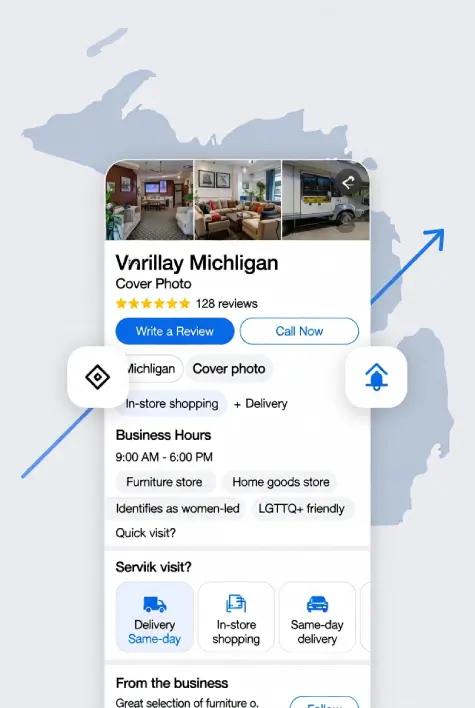
Secure backlinks from local directories, chambers of commerce, blogs, or events through sponsorships or guest posts. Focus on quality over quantity.
Why it matters: Local links boost authority and trust, essential for neighborhood rankings without big budgets.
How to implement: Pitch stories to local media, participate in community events, or collaborate with nearby businesses for mutual links.
9. Leverage Branded Search Tactics
Drive searches for your brand plus keywords (e.g., "[Your Brand] + best coffee") via social media, influencers, or PR to lift overall rankings.
Why it matters: Branded searches signal relevance, creating a "rising tide" effect for non-branded traffic in 2026.
How to implement: Promote on platforms like TikTok with targeted campaigns, tracking increases in branded queries via Google Search Console.
10. Target Featured Snippets and Voice Search
Optimize for question-based queries to appear in featured snippets, using concise answers and structured formats like lists or tables. Mirror natural speech for voice search.
Why it matters: These positions capture "position zero" traffic, vital for small businesses in AI and voice-driven searches.
How to implement: Use "People Also Ask" for ideas, write 40-50 word answers, and ensure content is scannable.
By applying these tips, small businesses can thrive in 2026's SEO environment, focusing on authenticity and local value. Remember, SEO is an ongoing process—monitor results with tools like Google Analytics. For expert guidance or resources to get started, visit www.wiseisbest.com today and unlock more strategies tailored to your business growth.

